By Deputy Editor Aria Kazi.
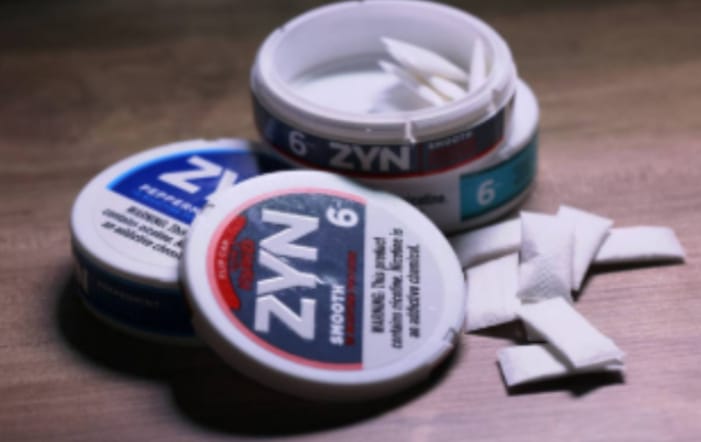
On the 4th of March, the Minister for Health, Jennifer Carroll MacNeill TD and the Minister for Public Health, Wellbeing and the National Drug Strategy, Jennifer Murnane O’Connor TD, announced the publication of the Public Health (Tobacco Products and Nicotine Inhaling Products) (Amendment) Bill 2026, aimed at regulating nicotine products, including pouches.
The legislation proposes restrictions on advertising, flavours, and packaging, with the goal of reducing their appeal to younger users.
But among students and teenagers, there is scepticism about how effective these measures will be in practice.
Peter Canning from Enniscorthy Community College believes banning nicotine pouches for under-18s will not prevent access to them.
“I don’t think putting a ban on nicotine pouches will stop under-18s from using them, because there have been bans on alcohol and cigarettes, and these haven’t stopped young people from getting them,” he says.
Canning says nicotine use is already widespread among his peers, with some retailers failing to enforce age restrictions strictly. He also points to peer influence as a key factor, suggesting that social environments play a significant role in shaping behaviour.
This normalisation is something echoed by students at DCU, who say nicotine pouches are becoming an increasingly visible part of campus life.
“It’s definitely possible that banning nicotine pouches for under-18s may reduce usage,” says DCU student Chloe Durrigan. “But like a lot of other substances, minors will find ways to get them illegally, or even from older friends or family members.”
Durrigan also notes the growing presence of nicotine products in everyday settings, from online advertising to petrol stations, suggesting that increased visibility may be contributing to their popularity.
Another DCU student, Amy Kirwan, says she has noticed a clear rise in use among her peers, particularly on campus.
“I have noticed a lot more people using nicotine pouches, and I’d say the place where I see them the most is on campus,” she says.
While she believes the proposed restrictions could have some impact, she agrees that access is unlikely to disappear entirely.
“I think it might help reduce usage on some level, but ultimately, people will find some way to get them, whether that’s older people buying them or fake IDs.”
Amy Kirwan also points to the discreet nature of nicotine pouches as a possible reason for their growing appeal, particularly when compared to vaping.
Some students, however, do not believe that restricting nicotine pouches will lead to an increase in traditional tobacco use.
DCU student Marlene Lamberecht says smoking cigarettes has become less common among younger people.
“You don’t really see young people rolling cigarettes anymore; most tend to vape because it’s more accessible and socially accepted,” she says.
She adds that convenience and perception play a key role, with alternatives like vaping and nicotine pouches viewed as more appealing than traditional tobacco products.
The Government has said the legislation is intended to prevent early nicotine addiction and respond to the emergence of new products targeting young people. Minister for Public Health said the measures aim to address what she described as an “increasingly aggressive industry marketing attractively packaged addictive products that appeal to children.”
Image Credit: Getty Images