By Darragh May.
In Wolfsburg in 1975, the first ever Volkswagen Polo rolled out from the factory and into the world. The Mk1 Polo went on to sell 1.1 million units from 1975 to 1981, with every version that came after growing in popularity and in sales.
In 2026, the Polo is still a first choice for many students looking for an affordable, fun, and quality car.
Despite the Polo having this superb reputation as a young driver staple, some still have their doubts. Many people believe the car is too expensive compared to competitors on the market, or that Volkswagen themself provide a better option, the iconic VW Golf.
So, is the Polo as good as they say? Or is it simply just an unnecessary little brother to the wildly successful VW Golf? I got my hands on one to find out.
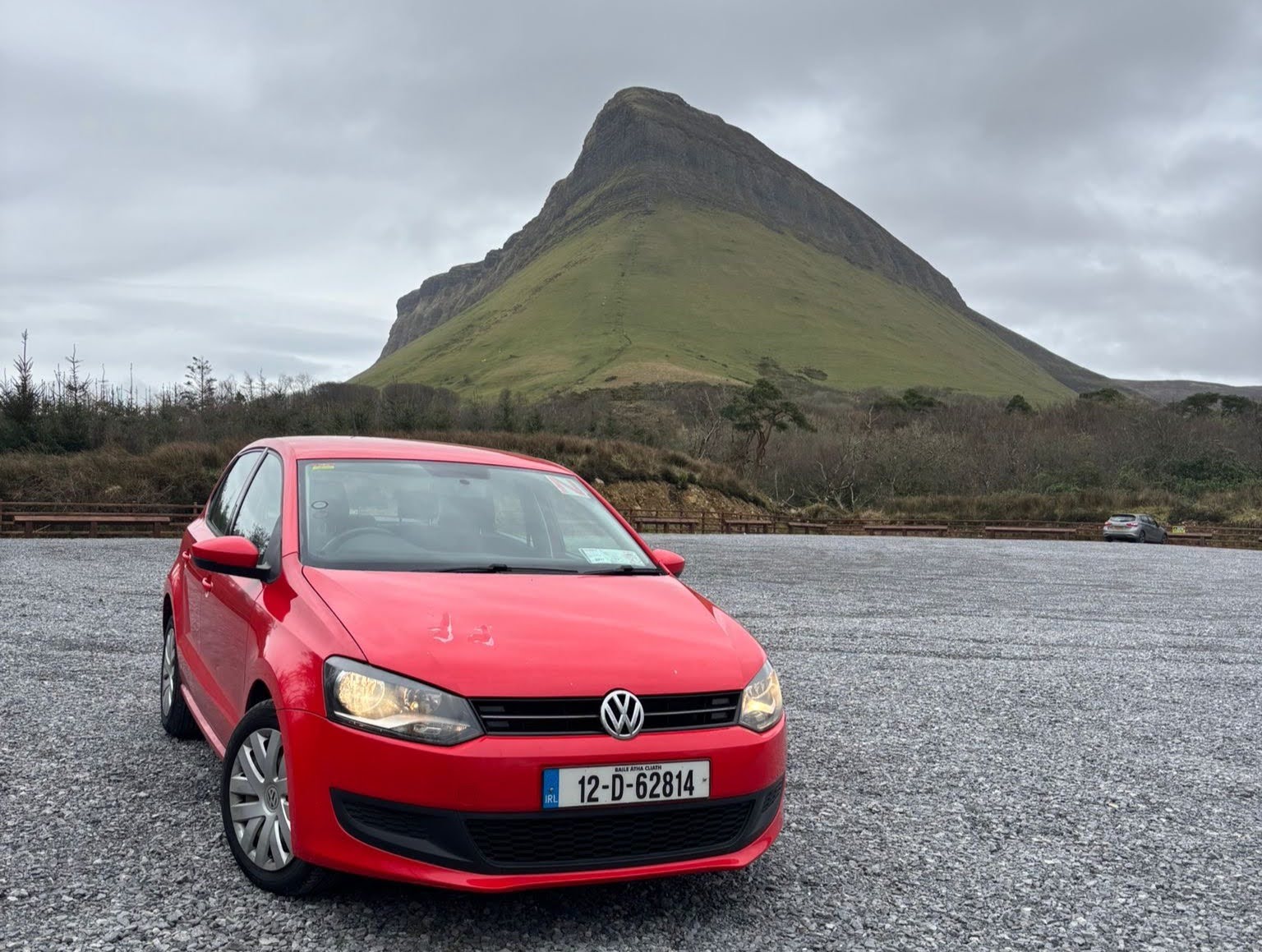
I took to the wheel of a Mk5 Polo, one of the most common on the used market at the moment and a staple in any student car park in Ireland.
The Mk5 Polo was in production from 2009 till 2017, and was incredibly well received, winning a stunning amount of awards including both the European and World Car of the Year in 2010.
The entry level Trendline specification of the Mk5 set you back €14,530 brand new in 2010, with the midrange comfortline starting at €16,000. The most premium model, the highline specification; which came with diesel options, started at €18,000 brand new.
The car also got a model update or “facelift” in 2014, with modern technology and assists added such as carplay and android auto support. This facelift also came with a subtle exterior update, a new modernised interior design; and a new engine lineup for buyers to choose from.
I drove a Mk5 Polo from 2012 for testing, and it was an absolute pleasure behind the wheel. Volkswagen did not disappoint as the car drives and feels premium, while not being unaffordable for the young driver.
The car comes in manual and automatic, with the automatic option being a DSG (direct shift gearbox). A DSG is incredibly fast changing gears leading to increased fuel efficiency and better performance.
Driving the automatic Polo felt smooth and comfortable in normal conditions, although it is important to mention, DSG systems can sometimes feel choppy when they shift in slow moving situations or stop and go traffic.
Long term reliability may also be an issue, as DSG gearboxes require more frequent maintenance due to their complexity. This however cannot be said about the manual gearbox Polo, as they have an incredibly good reliability record.
The interior of the car feels sleek and modern, with good quality materials used. This combined with the plethora of electronic features makes the car still feel fresh even today.
There is plenty of space in the front for the driver and front passenger. The same cannot be said for the back seats and the boot unfortunately, both lacking space.
Although a VW Golf from the same generation does have considerably more backroom and boot space than its younger brother the Polo, which may sway some buyers in need of room.
This polo came with a 1.2 litre turbocharged TSI engine, making it incredibly cheap on insurance, very fuel efficient, and relatively quick considering the engine’s small size.
There are plenty of bigger engine options including diesels out there for the Polo, just remember; the larger the engine the larger the insurance premium.
The car has brilliant steering with great road feel making it an enjoyable and reliable daily driver. The steering adds to the premium feel, tackling any twisty backroad with ease.
The only thing close to as refined as the steering, is the suspension. The car glides over bumps and potholes with ease, which is essential for surviving the drive into DCU.
If you like a colourful car, the Polo gives you an okay amount of choice. The car was offered in a wide range of colours when released, but is most commonly found in white, black, red, and blue on the used market.
Overall, the Mk5 Polo gives a premium, reliable, and refined driving experience. However this does come at a cost.
On the used market, these cars tend to cost more on average than similarly aged competitors such as the Ford Fiesta, Nissan Micra and Toyota Yaris.
This issue is exemplified if the automatic is what you need, as those run at an even higher average cost due to their popularity.
The Mk5 generation Polo can set you back anywhere between €5,000 euro for an older 2010-12 base model if you get a bargain, or over €8,000 if you want something a more modern or higher trim.
Cost aside, others would argue that a VW Golf is superior and that a Polo is simply a smaller, cheaper option.
In my experience with the Mk5 polo, I would wholeheartedly recommend it to a young driver due to the car having excellent efficiency and reliability, and being lovely to drive.
It may be more expensive than some competitors on the market, but the car still provides incredible value for money. There is however one reason I would not recommend the Polo.
If backseat and boot space is essential to you, unfortunately I would have to recommend something else such as a VW Golf or Dacia Sandero for their increased space.
One thing is certain, the Volkswagen Polo is more than the VW Golf’s little brother; and is 100% a superb student car.
I would like to thank Ryan M for allowing me to use his car for the purposes of this review.