By Stephen Mooney.
DCU’s recent ‘Let’s Get Physical’ campaign has sparked plans within the Student Union for more campaigns emphasising physical health due to a “lack of campaigns” relating to the topic in DCU according to VP for Wellbeing Lauren Joyce.
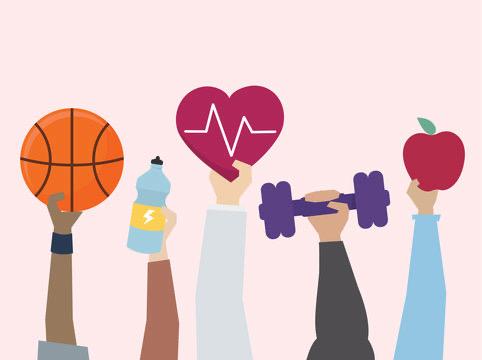
This initiative encourages students to get involved in weekly physical activity ranging from team sports to solo gym sessions to classes.
“Playing with sports teams can also help battle loneliness and isolation”, Joyce said.
The campaign plans come at a time when students may be experiencing increased stress levels due to “financial issues, academic expectations and personal worries”.
According to the HSE, being physically active can directly improve low moods, reduce stress and boost energy levels and productivity.
While it may still be early to measure the success of these campaigns, initial engagement and support numbers have been positive. A giveaway for a DCU gym membership was held on the Student Union’s Instagram account last week, receiving around 400 entries, showing a clear interest in students wanting to get active with unfortunate “financial restraints”, Joyce noted.
The cost of a DCU gym membership ranges from €285 for the academic year, to €335 for an annual student membership.
Other universities such as Technological University Dublin (TUD) offer discounted student prices for €65 per academic year, while universities such as University College Dublin (UCD) and Trinity College Dublin (TCD) have built in prices for sports facilities and development in the Student Levy with UCD prices of €254 per year and TCD prices of €209 per year.
Students who may be struggling with loneliness or stress are being encouraged to engage in consistent physical activity such as joining a club or society and getting involved in student life can “boost mood and promote a sense of belonging” , said Joyce.
Facilities such as free one-to-one counselling for registered students are also available with the mental health nurse.
Counselling Higher Education Authority reports show that over the last few years, there has been a steady decline in the number of third-level students enrolling in social-work and counselling courses, with 2,295 students in 2021, and 1,515 in 2024.