By Sustainability Editor, Erica Elliott.
An interview with the DCU Climate Action Society Pro and Activities Officer, Ferdia Quinn and Celia Kalatha.
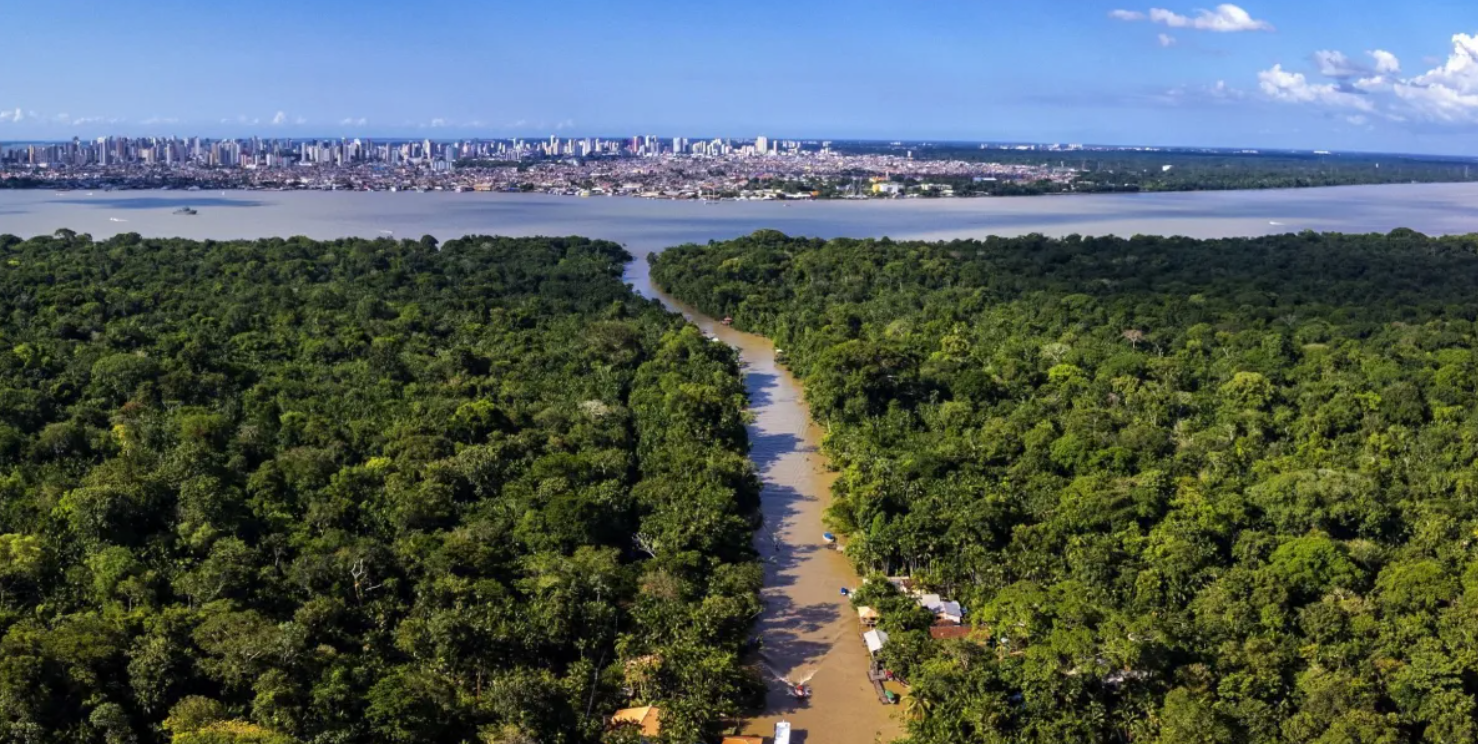
With the United Nations hosting their 30th Climate Change (COP30) conference this year, hundreds of countries from around the world are gathering for weeks in a remote location in Brazil to discuss and pose solutions through policymaking. This comes 10 years after the Paris Agreement which aimed to restrict global warming to below 2 degrees celsius above pre-industrial levels and below 1.5 degrees celsius.
However, do we even know what we’re talking about?
In an interview with the activities officer from the Climate Action Society in DCU, Celia Kalatha shared her opinion on why a lack of pre-existing knowledge of climate change is a pressing concern.
“Well, I think right now everywhere in the world is kind of scary and we have a lot of people who are saying stuff without actually knowing what they’re talking about”, she said. “The best way we can be against that and actually fight against that is education. If we actually know what we’re talking about”.
While technology has evolved drastically, the expansive coverage of artificial intelligence in the news has only added to the narrative surrounding climate change concern, and with the two biggest polluters not being present at this year’s COP30 summit in Brazil according to PBS News, what does this mean for climate action?
Public discourse surrounding the topic of anthropogenic climate change has always been polarised, with the Environmental Protection Agency (EPA) stating “one third of Irish people are alarmed about climate change” as of July 2024.
When asked about aspects of climate science, committee member of DCU Climate Action Society, Ferdia Quinn spoke to The Bulletin about the pre-conceived notions people have about climate change.
“They hear climate action and they’re like, ‘oh what a bunch of tree hugging hippies’, you know, which some of us are, but that’s not what this is for”, he said.
He reiterated that the most important thing is to be passionate about climate change because “if everybody really does care about the environment on at least some level, then they might start making more environmentally conscious decisions”. Celia added saying “showing that you care, will make other people care”.
“I got involved so I could get other people involved”, she reflected.
RTE recently published an article commenting on behalf of the Rediscovery Centre who said “consumption of textiles in Ireland is currently double the EU average, with an estimated 70,000 tonnes a year ending up in landfills”. Textile waste remains to be seen as one of Ireland’s biggest problems to tackle when confronting climate action, with the industry generating 8-10% of all global carbon emissions more than the combined emissions from the aviation and shipping industries, according to the Rediscovery Centre.
Ferdia spoke in relation to this, on the fast fashion industry stating, “it’s a lot more about using the stuff you have for longer and not getting new things and sort of the consumer’s mindset that you always have to get a new thing”.
Both committee members spoke on behalf of the DCU Climate Action Society, which had to be “rebooted from the ground in 2024” as Ferdia worded it. From educational talks with influential researchers such as Eunice Philip alongside RCSI, to three week long workshops on sewing, they feel developing new skills and adapting to a more innovative approach helps to provide solutions with knowledge of climate science, as opposed to the mere down sides.
He said, “we’ve kind of decided that it’s better not to focus on those things really because it’s like, we’ve done like an hour talk before about things like the current climate or whatever and it’s just a really big downer”.
Instead this involves learning about concepts such as eco villages and sustainable architecture both of which aim to mitigate negative environmental impacts.
This UN Conference is significant, especially for Ireland, where hundreds recently attended a National Climate March calling for action from the government. A lot could unfold before the end of COP30 with regards to agreements on climate change policies, and this is an international conversation, with thousands attending a march in Glasgow according to the BBC, and protesters and activists from around the world who continue to use their voice.
Image Source: CNN Brazil